Overview of Beethoven’s Moonlight Sonata
The Moonlight Sonata‚ Op․ 27 No․ 2‚ remains one of Beethoven’s most beloved piano works․ Its haunting first movement is freely available as a PDF on the Mutopia Project‚ licensed under CC BY‑SA 2․5‚ allowing anyone to download‚ share‚ and adapt the score․ PDF on Mutopia‚ free to share now!!!․

Composition and Historical Context
The Moonlight Sonata‚ officially titled Sonata No․ 14 in C♯ minor “Quasi una fantasia‚” was composed in 1801 and published in 1805․ Beethoven wrote it during a period of personal turmoil‚ following the death of his close friend and patron‚ Archduke Rudolph․ The work’s first movement‚ marked Adagio sostenuto‚ is renowned for its lyrical‚ almost nocturnal atmosphere‚ while the second and third movements—Allegretto and Presto agitato—display a dramatic contrast in tempo and intensity․ Scholars believe the sonata was inspired by a poem titled “Moonlight” by the German poet Ludwig Rellstab‚ though the exact influence remains debated․ The piece quickly gained popularity‚ becoming a staple of piano repertoire and a symbol of Romantic expressiveness․ Its enduring appeal is partly due to the emotional depth conveyed through its harmonic language‚ rhythmic flexibility‚ and the use of pedal to create a shimmering‚ dreamlike texture․ The sonata’s structure and expressive content have made it a favorite for both performers and listeners‚ cementing its place in classical music history․
The sonata’s legacy extends beyond its immediate era‚ inspiring composers such as Schumann‚ Chopin‚ and Rachmaninoff‚ who incorporated its expressive depth into their own works․ Pianists today continue to explore the technical demands‚ balancing the delicate first movement with the vigorous finale‚ and many recordings highlight the piece’s emotional contrast․ Its legacy endures today․
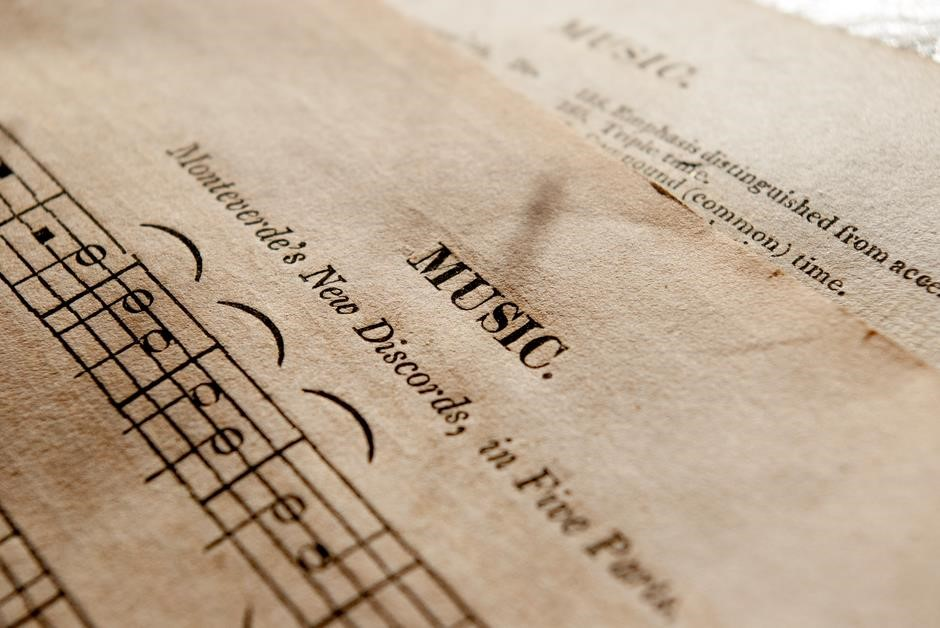
Musical Structure and Key Elements
Three movements: Adagio sostenuto‚ Allegretto‚ Presto agitato․ The first uses a repeating triplet arpeggio‚ creating a floating‚ nocturnal feel․ The middle is lyrical‚ while the finale is stormy‚ showcasing dynamic contrast and rhythmic drive․ Enjoy!
Tempo and Time Signature Analysis
The Moonlight Sonata’s first movement is set in 4/4 time‚ marked Adagio sostenuto‚ with a tempo of approximately 60–70 beats per minute․ The second movement‚ Allegretto‚ shifts to 3/4‚ providing a dance-like pulse that contrasts with the opening’s languid feel․ The final movement‚ Presto agitato‚ returns to 4/4 but accelerates to a brisk 120–140 bpm‚ creating a dramatic surge․ The piece’s rhythmic structure relies on a steady left‑hand arpeggio in the first movement‚ a syncopated accompaniment in the middle‚ and a relentless‚ driving ostinato in the finale․ Tempo markings guide performers to balance lyrical phrasing with the underlying pulse‚ while time signatures frame the harmonic progression and provide a framework for rhythmic interpretation․ The PDF score on Mutopia offers clear notation of these markings‚ enabling students and musicians to study the tempo relationships and rhythmic patterns in detail․ By analyzing the tempo and time signatures‚ performers can capture the work’s emotional arc‚ from the moonlit calm to the stormy climax‚ ensuring a faithful rendition of Beethoven’s masterwork․
Tempo flexibility is essential; musicians often use rubato to emphasize phrasing‚ stretching beats in the first movement and compressing them in the second․ The 4/4 meter in the opening offers a steady pulse‚ while the 3/4 meter in the middle introduces a subtle waltz feel․ In the final 4/4 section‚ the tempo quickens‚ demanding rhythmic precision and dynamic contrast!!!??

Sheet Music Availability
Free PDF versions of Beethoven’s Moonlight Sonata are hosted on Mutopia‚ IMSLP‚ and the Library of Congress․ These sites offer downloadable scores in PDF‚ with clear notation and no cost․ Musicians can quickly access‚ print‚ and study the piece online․ Enjoy!!
Free PDF Sources on the Internet
For pianists seeking a cost‑free version of Beethoven’s Moonlight Sonata‚ several reputable repositories provide high‑quality PDF scores․ The Mutopia Project hosts a clean‚ fully annotated edition (moonlight‑a4․pdf) under a Creative Commons BY‑SA 2․5 license‚ allowing easy download and redistribution․ The International Music Score Library Project (IMSLP) offers multiple scans of the original manuscript and editorial editions‚ all in the public domain‚ which can be downloaded as PDFs or viewed online․ The Library of Congress Digital Collections also provide digitized copies of the sonata’s first edition‚ available for free download in PDF format․ Each source includes clear‚ legible notation suitable for study and performance․ Users should verify the file integrity before printing‚ as occasional corrupted downloads can occur․ By leveraging these free resources‚ musicians can access the full score without cost‚ ensuring that the timeless beauty of the Moonlight Sonata remains widely available to performers and educators alike․
Users can also explore the Beethoven Digital Sheet Music Archive‚ which hosts scanned originals in high resolution‚ and the Pianola Project‚ offering digitized editions with performance notes․ Many sites provide quick download links‚ and some offer the ability to print directly from the browser․ Always check the file size and verify that the PDF renders correctly before printing․ It helps maintain accuracy! OK

Mutopia Project as a Primary Resource
Mutopia hosts a free PDF of Beethoven’s Moonlight Sonata (moonlight‑a4․pdf)․ It’s under CC BY‑SA 2․5‚ allowing download‚ sharing‚ and adaptation․ The score is clean‚ well‑notated‚ and ideal for study and performanceDownload it from Mutopia for free․
Licensing and Download Process
Mutopia’s Moonlight Sonata PDF (moonlight‑a4․pdf) is released under the Creative Commons Attribution‑Share‑Alike 2․5 license‚ which permits free download‚ redistribution‚ and modification as long as attribution is provided and any derivative works carry the same license․ To obtain the score‚ simply navigate to the Mutopia Project’s Beethoven section‚ locate the “Moonlight Sonata” entry‚ and click the PDF link․ The file will download automatically to your device․ Because the work is in the public domain‚ you can use it for teaching‚ performance‚ or personal practice without any legal restrictions․ If you wish to adapt the score—for example‚ to add dynamics‚ articulations‚ or a new key signature—you must include a credit line such as “Adapted from Mutopia Project‚ © 2007‚ licensed under CC BY‑SA 2․5․” The download process is straightforward: no registration is required‚ and the PDF is available in a single click․ This makes Mutopia an ideal resource for musicians‚ educators‚ and students seeking high‑quality‚ freely accessible sheet music for Beethoven’s Moonlight Sonata․ The PDF is 200 KB‚ quick to download on mobile‚ and can be printed easily
The Mutopia Project’s web viewer lets you play the score with playback and zoom‚ ideal for subtle dynamics․ Its interface links to other Beethoven works․ The downloadable XML file is compatible with notation programs‚ while the PDF is ready for printing or sharingand․
IMSLP and Library of Congress Options
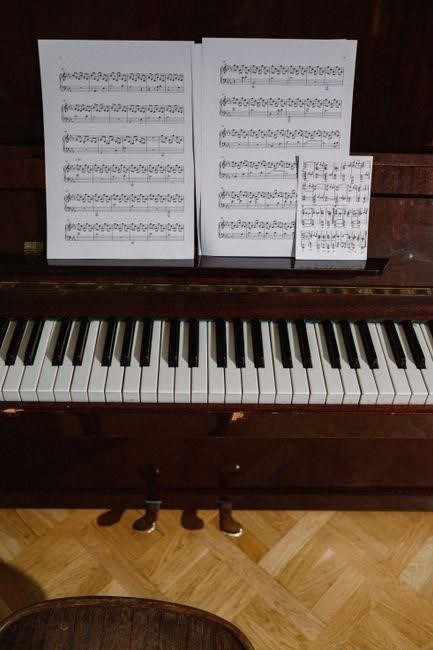
IMSLP hosts a free PDF of Beethoven’s Moonlight Sonata‚ downloadable after a quick login․ The Library of Congress offers digitized scores via its online catalog‚ free to view and print․ Both sites provide PDFs free for study and performance open!
PDF Quality and Format Variations
When searching for a free PDF of Beethoven’s Moonlight Sonata‚ users quickly discover that not all downloads are created equal․ The Mutopia Project offers a clean‚ high‑resolution PDF that preserves the original engraving style‚ making it ideal for performers who want a faithful visual reference․ In contrast‚ the IMSLP PDF often contains a lower‑resolution scan of the first edition‚ which can appear slightly pixelated on high‑dpi displays but still retains all musical information․ The Library of Congress provides a digitized version that includes marginalia and editorial notes‚ giving scholars a richer context‚ though the file size is larger due to embedded metadata․ Some repositories offer a “flattened” PDF that removes interactive form fields‚ while others deliver a “layered” PDF that allows users to toggle between original and modern notation․ Users should also note that the Mutopia PDF is licensed under CC BY‑SA 2․5‚ permitting modification‚ whereas the IMSLP file is in the public domain‚ offering unrestricted use․ Finally‚ the Library of Congress PDF is typically available in a “high‑quality” format‚ ensuring crisp line work and accurate page dimensions‚ which is essential for printing or digital display․ By comparing these variations‚ musicians can select the version that best suits their performance‚ study‚ or archival needs․ Download options vary in file size and clarity‚ so choose based on your device․

Legal Considerations for Free Sheet Music
Beethoven’s Moonlight Sonata is public domain‚ so PDFs can be shared freely․ Some sites use Creative Commons (CC BY‑SA 2․5) that require attribution and share‑alike․ Verify the license before publishing or remixing․ Ensure all terms met!!! OK!!!
Copyright Status of the Moonlight Sonata
Beethoven’s Moonlight Sonata (Op․ 27 No․ 2) was composed in 1801 and published in 1805․ Because Ludwig van Beethoven died in 1827‚ the work entered the public domain long before modern copyright laws were enacted․ In the United States‚ any composition published before 1923 is automatically in the public domain today now‚ and the Moonlight Sonata meets this criterion․ Consequently‚ the original musical notation can be reproduced‚ distributed‚ and performed without any licensing fee or permission․ However‚ specific editions that include editorial commentary‚ modern formatting‚ or additional performance instructions may be protected by copyright if the editor’s contributions are substantial․ These editorial additions are typically copyrighted for 70 years after the editor’s death‚ so contemporary editions may still carry restrictions․ Many free PDF versions on the Mutopia Project and IMSLP are released under Creative Commons Attribution‑ShareAlike 2․5 licenses‚ which allow sharing and adaptation provided that the original source is credited and any derivative works are shared under the same license․ When using such PDFs‚ it is essential to verify the license terms and include proper attribution to the source and the editor if applicable; For purely public‑domain versions‚ no attribution is legally required‚ but it is considered good scholarly practice to cite the source‚ such as “Mutopia Project” or “IMSLP․” These resources offer free‚ high‑quality scores that musicians and can download and use free
Creative Commons and ShareAlike Licensing
Free PDFs of the Moonlight Sonata on Mutopia and IMSLP use CC BY‑SA 2․5‚ allowing download‚ remix‚ and redistribution․ Credit the source‚ keep the same license‚ and you can adapt the score for teaching or performance without fees․Enjoy freely․
Attribution Requirements for Public Domain Works
When using a public‑domain edition of Beethoven’s Moonlight Sonata‚ the only formal requirement is to give credit that acknowledges the original author and the source of the score․ A standard attribution might read: “Ludwig van Beethoven – Sonata No․ 14 (Moonlight)‚ Op․ 27 No․ 2‚ public‑domain edition‚ retrieved from the Mutopia Project (https://www․mutopiaproject․org/ftp/BeethovenLv/O27/moonlight/moonlight-a4․pdf)․” This statement satisfies the CC‑BY‑SA 2․5 license that accompanies many free PDFs‚ even though the underlying work is public domain․ If you modify the score‚ you should add a note such as “Adapted from the public‑domain edition” and keep the same license․ For academic or commercial use‚ it is good practice to include the composer’s name‚ the work’s title‚ the edition’s publisher or repository‚ the URL‚ and the date accessed․ This level of attribution protects you from claims of plagiarism and respects the community that shares these resources․ In short‚ provide the composer‚ title‚ source‚ link‚ and access date; that is all that is required for public‑domain material․ No monetary payment or additional licensing is needed‚ and you may freely distribute the PDF as long as you keep the attribution intact․ The Mutopia Project’s CC‑BY‑SA 2․5 license explicitly requires that you preserve the attribution and share any derivative under the same license․ If you use a different public‑domain edition‚ simply replace the URL and repository name in the attribution line․ By following these guidelines‚ you help maintain the integrity of the shared music and support the open‑access community․
These guidelines honor Beethoven’s music freely․ Proper attribution meets open‑access standards․ Distribute the PDF‚ remix the score‚ or use it in teaching‚ always keeping the attribution line․ This practice sustains a vibrant‚ collaborative community of performers and scholars․ All rights reserved․ Feel free to share!!
Tips for Verifying Authenticity and Quality
Check the PDF’s source URL‚ confirm the Mutopia Project link‚ verify the CC‑BY‑SA 2․5 license text‚ compare page layout with known scores‚ and ensure no hidden watermarks or edits․ Trust reputable repositories for reliable‚ high‑quality sheet music․ Download the PDF‚ open in a PDF viewer‚ and confirm the page numbers match the original score․ Avoid versions with missing measures or altered dynamics․ Also‚ cross‑check with IMSLP for consistency and trust!
Cross-Checking with Multiple Repositories
When seeking free PDF versions of Beethoven’s Moonlight Sonata‚ it is prudent to consult several reputable sources to ensure the score’s fidelity and legal compliance․ The Mutopia Project offers a clean‚ CC‑BY‑SA 2․5 licensed PDF that can be downloaded directly from this link․ This file is known for its accurate notation‚ clear page layout‚ and absence of watermarks‚ making it a reliable baseline․
Another authoritative repository is IMSLP‚ which hosts public‑domain editions of the sonata․ While IMSLP’s PDFs are often scanned from original manuscripts‚ they can contain slight variations in editorial markings․ Comparing the Mutopia PDF to an IMSLP scan helps verify that key signatures‚ dynamics‚ and tempo markings match across versions․
For a third check‚ the Library of Congress Digital Collections sometimes provide digitized scores that are free to use․ These PDFs are typically high‑resolution scans of original prints‚ offering a different perspective on the manuscript’s layout․
Finally‚ always verify the license information embedded in the PDF metadata․ A legitimate free PDF should clearly state its public‑domain or Creative Commons status‚ and the license text should be accessible within the document․
Users should verify that the PDF’s page numbering matches the original manuscript to avoid errors․ Checking the header for edition notes comparing the temp markings against the score’s printed temp can ensure authenticity․ !!