Trail Guide to the Body 6th Edition PDF: A Comprehensive Guide
Trail Guide to the Body, 6th Edition is a vital resource, deepening anatomical understanding via palpation; published January 18, 2025, by gaith․
Understanding the Book’s Relevance
Trail Guide to the Body, in its 6th edition, maintains its crucial position as a foundational text for anyone seeking a comprehensive grasp of human anatomy․ Its relevance extends beyond theoretical knowledge, emphasizing practical application through detailed palpation techniques․ This hands-on approach is invaluable for students and professionals alike, bridging the gap between anatomical study and real-world clinical practice․
The book’s enduring appeal lies in its ability to facilitate a deeper, more intuitive understanding of the body’s structures․ It’s not merely about memorizing names and locations; it’s about developing the skill to physically locate and assess anatomical landmarks․ This skill is paramount in fields like physiotherapy and massage therapy, where accurate assessment and targeted intervention are essential․ The 2025 publication further solidifies its standing as a current and reliable resource․
Target Audience: Students & Professionals
The Trail Guide to the Body, 6th Edition, is specifically designed for a diverse audience within the healthcare and movement sciences․ Primarily, it serves as an essential learning tool for students in anatomy, physiology, kinesiology, and related disciplines․ Its practical focus on palpation makes it ideal for those in massage therapy and bodywork training programs, fostering a tactile understanding of anatomical structures․
Beyond academia, the guide proves invaluable for practicing professionals․ Physiotherapists, athletic trainers, chiropractors, and medical practitioners utilize it to refine their assessment skills and enhance treatment efficacy․ The detailed illustrations and clear instructions support accurate diagnosis and targeted interventions․ Ultimately, anyone requiring a robust and accessible anatomical resource will benefit from this edition’s comprehensive approach․
Key Disciplines Utilizing the Guide

The Trail Guide to the Body, 6th Edition, finds application across a broad spectrum of healthcare and movement-focused disciplines․ Anatomy students rely on it for detailed structural understanding, while Physiotherapy professionals use it for assessment and treatment planning․ Massage Therapy practitioners benefit immensely from the palpation techniques detailed within its pages, enhancing their bodywork skills․
Furthermore, the guide is crucial for Kinesiology studies, aiding in the analysis of human movement․ Chiropractors utilize it for spinal and musculoskeletal assessments․ Even Athletic Trainers find value in its comprehensive coverage for injury prevention and rehabilitation․ Its versatility extends to Medical Practitioners seeking a readily accessible anatomical reference, solidifying its position as a cornerstone resource․
Locating a Free PDF Download (Legality & Safety)
Caution is advised when seeking a free PDF; unofficial sources pose risks, and respecting copyright laws regarding distribution is paramount․
Risks of Downloading from Unofficial Sources
Downloading the Trail Guide to the Body 6th Edition PDF from unofficial websites carries significant risks․ These sources often host malware, viruses, and other malicious software that can compromise your device and personal data․ Furthermore, the files themselves may be corrupted or incomplete, rendering them unusable or containing inaccurate information – potentially detrimental if used for study or professional practice․
Beyond technical threats, accessing copyrighted material illegally is a legal violation․ Unofficial downloads frequently disregard copyright protections, exposing users to potential legal consequences․ The quality of illegally distributed PDFs is often poor, with blurry images and formatting errors hindering comprehension․ Prioritize legitimate sources to ensure a safe and reliable learning experience, protecting both your digital security and respecting intellectual property rights․
Legal Considerations of PDF Distribution
The distribution of the Trail Guide to the Body 6th Edition PDF is governed by strict copyright laws․ Unauthorized reproduction and sharing of copyrighted material, like this textbook, constitute a violation of intellectual property rights․ Copyright holders retain exclusive control over their work, including the right to distribute and profit from it․
Downloading or sharing a pirated PDF exposes individuals to potential legal repercussions, including fines and lawsuits․ Even seemingly harmless acts, such as sharing a file with classmates, can be considered copyright infringement․ Supporting legitimate channels for acquiring the textbook ensures compliance with the law and respects the author’s and publisher’s rights․ Always opt for purchasing the official PDF or physical copy to avoid legal complications and support the creation of valuable educational resources․
Official Sources & Alternatives to Free Downloads
Accessing the Trail Guide to the Body 6th Edition through official sources guarantees a legitimate and safe copy․ Purchasing directly from the publisher or authorized retailers ensures you receive the complete and accurate content, supporting the authors and contributing to continued quality․ Consider exploring options like VitalSource or other academic ebook platforms․
Alternatives to seeking free, potentially illegal downloads include library access, rental options, or purchasing previous editions at a reduced cost․ Many universities offer digital textbook access through their online learning platforms․ While a free PDF might seem appealing, the risks associated with unofficial sources – malware, incomplete files, and legal consequences – far outweigh the benefits․ Prioritize ethical and legal acquisition methods for this essential educational resource․

Overview of the 6th Edition Content
The 6th Edition features detailed anatomical illustrations and a strong focus on palpation techniques for a hands-on learning experience․
Focus on Palpation Techniques
A cornerstone of Trail Guide to the Body, the 6th Edition significantly emphasizes palpation – the skill of examining the body with touch․ This isn’t merely about identifying structures; it’s about feeling anatomy, understanding its three-dimensional relationships, and developing a kinesthetic sense crucial for practitioners․ The guide provides practical instruction, enabling students and professionals to deepen their understanding of human anatomy through hands-on exploration․
This edition builds upon previous strengths, offering refined techniques and clear guidance for locating and assessing muscles, bones, and ligaments․ Palpation isn’t presented in isolation, but integrated with anatomical knowledge, fostering a holistic comprehension of the body’s form and function․ It’s a method designed to enhance diagnostic skills and treatment effectiveness․
Detailed Anatomical Illustrations
The Trail Guide to the Body, 6th Edition, distinguishes itself through exceptionally detailed and accurate anatomical illustrations․ These aren’t simply diagrams; they are meticulously rendered visuals designed to reveal the complexities of the human form․ Each illustration aims to provide a clear and comprehensive understanding of muscle origins, insertions, actions, and innervations․
The illustrations are thoughtfully integrated with the text, serving as a visual complement to the written descriptions․ They allow users to visualize structures in multiple views, enhancing spatial understanding․ This visual approach is particularly beneficial for students learning anatomy for the first time, and for professionals needing a quick and reliable reference․
Updates and New Features in the 6th Edition
The 6th Edition of Trail Guide to the Body builds upon its established foundation with significant updates and new features designed to enhance the learning experience․ While specific details regarding all changes aren’t readily available without direct access to the edition, the core focus remains on deepening understanding through hands-on palpation techniques․
Expect refinements to existing illustrations for improved clarity and accuracy․ The updated edition likely incorporates the latest anatomical research and terminology․ It’s probable that new clinical correlations and practical applications have been added, bridging the gap between anatomical knowledge and real-world practice․ These enhancements aim to make the guide even more valuable for students and professionals alike․
Temple, Texas Trail Information & Connection
Temple, Texas offers trails like Pepper Creek (3;20 miles), Chalk Ridge Falls Park, and Silverstone Park for biking, running, and walking adventures․
Pepper Creek Hike & Bike Trail
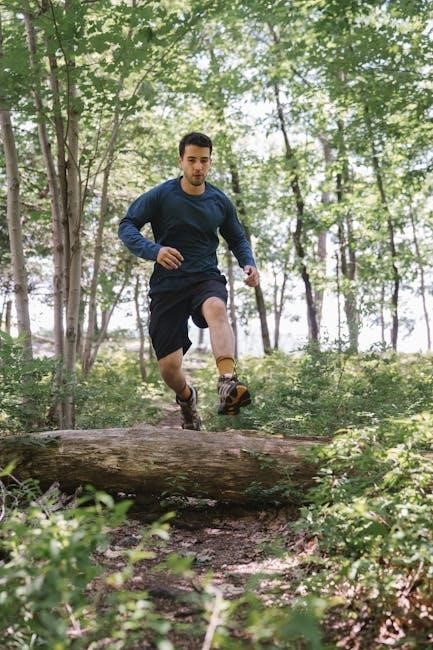
Pepper Creek Hike & Bike Trail, located near Temple, Texas, presents a delightful 3․20-mile out-and-back experience generally considered easy, typically completed in around 1 hour and 19 minutes․ This trail is exceptionally well-suited for a variety of outdoor pursuits, including enjoyable road biking, invigorating trail running, and leisurely walking․
Notably, the trail is known for its peaceful atmosphere, with a low likelihood of encountering large crowds during exploration․ Open year-round, Pepper Creek offers scenic beauty throughout all seasons, making it a consistently rewarding destination․ The abundance of trees along the walking trail provides welcome shade, enhancing the experience, particularly during warmer months․ It’s an excellent choice for a shaded run or a relaxing stroll immersed in nature․

Chalk Ridge Falls Park & Trail
Chalk Ridge Falls Park, situated just outside of Belton, Texas, boasts a captivating walking trail beloved by visitors․ The park offers “great views and path options based on difficulty levels,” catering to a diverse range of hikers and outdoor enthusiasts․ The Chalk Ridge Falls Trail itself provides a scenic and varied experience, allowing individuals to choose routes that align with their fitness levels and preferences․
Many reviewers express their fondness for this trail, highlighting its picturesque scenery and well-maintained paths․ It’s an ideal location for those seeking a rewarding hike with opportunities to appreciate the natural beauty of the Texas landscape․ The park’s accessibility and diverse trail options make it a popular destination for both locals and visitors alike, ensuring a memorable outdoor adventure․
Silverstone Park: Outdoor Activities
Silverstone Park presents a fantastic venue for a variety of outdoor pursuits, offering residents and visitors ample opportunities for recreation and enjoyment of nature․ While specific details about Silverstone Park’s trails are limited in the provided text, it’s clear the park is designed to accommodate diverse activities; It’s a place where individuals can connect with the outdoors and engage in pursuits that promote physical and mental well-being․
The park likely features walking paths, open spaces, and potentially other amenities catering to different interests․ It serves as a valuable community resource, providing a safe and accessible environment for outdoor exercise and leisure․ Further exploration of the park’s offerings would reveal the full extent of its recreational potential and appeal to a wide range of outdoor enthusiasts․

Trail Guides & Outdoor Resources in Temple
AllTrails and Outbound offer Temple’s trail maps, reviews, and photos, aiding hikers, bikers, and runners in discovering scenic routes;
AllTrails: Temple Hiking Trails
AllTrails stands as a premier platform for outdoor enthusiasts seeking detailed information on Temple, Texas hiking trails․ Boasting 13 scenic trails within the Temple area, it caters to diverse preferences – from leisurely walks to challenging hikes, biking adventures, and invigorating trail runs․
The platform excels in providing hand-curated trail maps, ensuring users can confidently navigate their chosen path․ Beyond maps, AllTrails enriches the experience with reviews and captivating photos contributed by fellow nature lovers, offering valuable insights into trail conditions and scenic highlights․

Users can easily find trails suited to their fitness level and interests, making it an invaluable resource for both locals and visitors eager to explore the natural beauty surrounding Temple, Texas․ Discover your perfect outdoor escape with AllTrails!
Outbound: Community-Driven Trail Information
Outbound distinguishes itself as a unique resource for Temple, Texas, and beyond, offering meticulously detailed guides, stunning photography, and authentic reviews – all contributed by a passionate community of outdoor adventurers․ This collaborative approach ensures the information is current, reliable, and reflects real-world experiences on the trails․
Whether you’re planning a hiking trip, backpacking excursion, camping getaway, or simply seeking local trail recommendations, Outbound provides comprehensive coverage․ The platform’s strength lies in its user-generated content, fostering a sense of shared knowledge and discovery among outdoor enthusiasts․
Explore Temple’s trails through the eyes of those who’ve already experienced them, gaining valuable insights to enhance your own outdoor adventures with Outbound․
Local Parks & Recreation Departments
Temple’s Parks and Recreation Department serves as a crucial local resource for trail information and updates․ They maintain and manage parks like Pepper Creek Hike & Bike Trail, Chalk Ridge Falls Park, and Silverstone Park, offering details on trail conditions, accessibility, and any temporary closures․
Directly contacting the department provides the most up-to-date information regarding park events, guided hikes, and volunteer opportunities․ Their website typically features downloadable trail maps and park regulations, ensuring a safe and enjoyable experience for all visitors․
Leveraging this local expertise complements online resources, providing a well-rounded understanding of Temple’s outdoor offerings and contributing to responsible trail usage․

The Importance of Anatomical Knowledge for Trail Users
Understanding body mechanics is vital for injury prevention while hiking or biking; Trail Guide to the Body aids preparedness and safety․
Injury Prevention While Hiking/Biking
Anatomical knowledge, as detailed in resources like Trail Guide to the Body, is paramount for preventing injuries on trails․ Understanding muscle function, joint mechanics, and proper biomechanics allows hikers and bikers to navigate uneven terrain safely․ Knowing how your body moves – and potential limitations – reduces strain and minimizes the risk of sprains, strains, and overuse injuries․
Specifically, awareness of key muscle groups used during hiking (like the glutes, quads, and calves) and biking (hamstrings, hip flexors, and core) enables users to maintain proper form․ Recognizing early signs of fatigue or improper technique allows for adjustments before an injury occurs․ Furthermore, understanding common injury sites – ankles, knees, and lower back – promotes proactive strengthening and stretching exercises․ The Trail Guide to the Body provides the foundational knowledge to support these preventative measures, fostering a safer and more enjoyable outdoor experience․
Understanding Body Mechanics on Trails
Navigating trails effectively requires a solid grasp of body mechanics, a subject comprehensively covered in resources like the Trail Guide to the Body․ Trails present varied challenges – inclines, declines, uneven surfaces – demanding adaptable movement patterns․ Understanding how your center of gravity shifts, and how to maintain balance, is crucial for efficient and safe progression․
Proper posture, core engagement, and coordinated limb movements minimize energy expenditure and reduce stress on joints․ The Trail Guide to the Body’s detailed anatomical illustrations help visualize these mechanics․ Hikers and bikers can learn to utilize momentum, distribute weight appropriately, and adjust stride length to optimize performance and prevent fatigue․ Recognizing how different terrains impact biomechanics allows for conscious adjustments, leading to a more controlled and enjoyable trail experience․
First Aid & Emergency Preparedness
Trail adventures, while rewarding, necessitate preparedness for potential injuries․ A foundational understanding of anatomy, as detailed in resources like the Trail Guide to the Body, is invaluable for assessing and addressing common trail-related ailments․ Sprains, strains, blisters, and even fractures can occur, demanding immediate attention․
Knowing key anatomical landmarks aids in accurately identifying injury locations and implementing appropriate first aid measures․ Carrying a well-stocked first-aid kit, alongside knowledge of its contents, is paramount․ Familiarity with basic life support techniques – CPR, wound care, splinting – can be life-saving․ The Trail Guide to the Body enhances this preparedness by providing a visual reference for understanding the musculoskeletal system and potential injury mechanisms․